(4-minute read)
The day I became a Christian, I had no faith, and somehow, that was exactly the point. Many years ago, on a Sunday afternoon, my neighbor Tom Waters and I were watching a football game when he began talking about the Lord and explaining salvation to me. It was all new. I don’t remember ever hearing any of it before. His explanation was clear, and when he asked if I wanted to accept Jesus as my Savior, I planned to tell him I needed more time to think it over.
Before I could say a word, I heard a voice in my mind. It seemed like my own thoughts, but it wasn’t. Three memories came rushing back: moments when I had been close to death with no way out, when I had prayed and promised the Lord that if he rescued me, I would do anything he asked. Then I heard him say, “This is what I want you to do.” I don’t know how, but I knew it was God’s voice. I turned to Tom and said, “Yes.” This was the moment I began walking the spiritual path that the Lord had called me to.
Faith
If anyone had asked me at that moment whether I had faith, I would have said no. Tom asked a question, and God gave me the answer. Did I believe it was true? Of course, if God said it, it’s true. I had no idea at the time that this was faith. I needed Tom to tell me about Jesus, and I needed God to give me faith to believe. God and Tom had worked together so that I might come to know the Lord.
That experience was what first led me to seriously consider what I called faith. Some of my prayers were answered; most were not. I prayed for more faith, but my prayer life fell far short of what I saw in Scripture. So I began keeping track, looking for patterns in when God answered and when he didn’t.
What I noticed, speaking only from my own experience, is that faith came first as a gift from God. My only job was to hold on to it until it was fulfilled. But I quickly discovered how eager I was to let go, giving up too soon, deciding that a particular prayer wasn’t from the Lord simply because the answer didn’t come right away. I still struggle with that.
I also noticed that God never overrides our free will. At the pool of Bethesda, Jesus asked the man whether he wanted to be healed. It took a brief exchange just to get that answer. Even though the Lord knows our hearts, he waits for us to lay down our will and ask. And when I pray for someone else, God won’t answer in a way that bypasses that person’s will either.
Hope
Faith isn’t the only sticking point. The Lord wants our hope placed entirely in him, and I find that harder than it sounds. With something minor like a cold, my hope tends to rest quietly in the body’s natural ability to heal, not in any direct intervention from God. It’s far easier to pray with real expectancy for someone who has no hope apart from the Lord. The weight of that is humbling: he places hope in my hands, and too often, I fall short.
So now, when I pray, I try not to lead with faith. I’m learning instead to bring my request to the Lord, place my hope fully in him and in his will, and leave the outcome there, without trying to figure it all out in advance. When that unreasonable faith floods into my heart, I know the answer is coming.
Love
This is the big one.
On overseas mission trips, I’ve witnessed hundreds of miracles. Back home, that is rarely the case. At first, I assumed it was because people overseas had more faith, but over time, I realized that wasn’t the case. The problem turned out to be me.
I didn’t judge the people we served overseas because I didn’t know them. At home, I often do, without even realizing it. And my judgment interferes with the Lord’s work. It goes both ways: overseas, they don’t judge me either, because they don’t know me. That mutual openness creates room for God to move.
I am still learning, far too slowly, to love people. This is the big one. If I don’t get love right, everything else falls apart.
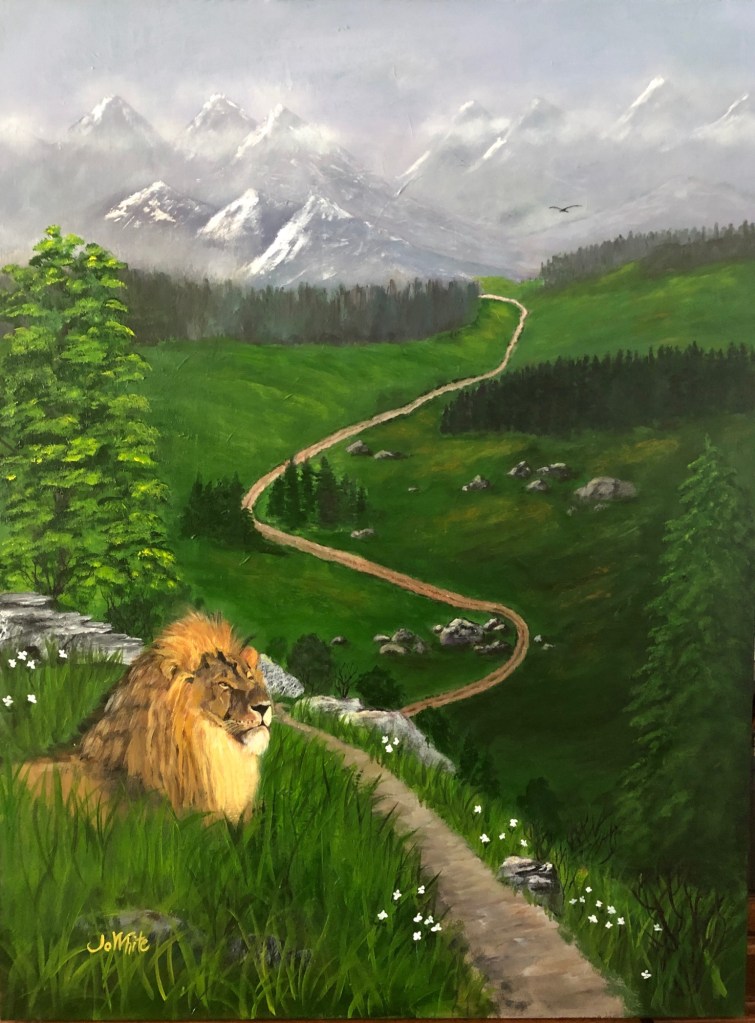
Looking back, I can see that God has been patient with me in all three areas, more patient than I deserve. I came to faith without even knowing what faith was. I am still learning to hope in him alone rather than in what I can see and reason through. And love, the greatest of the three, remains my longest lesson. I don’t think that’s a failure. I think that’s the journey as I am walking the path. What I know is that God loves me, and even in those moments when I catch myself judging others. He is not finished with me yet, and I am grateful for that.


 Walking the path
Leave a reply to Grant at Writing for Eternity Cancel reply